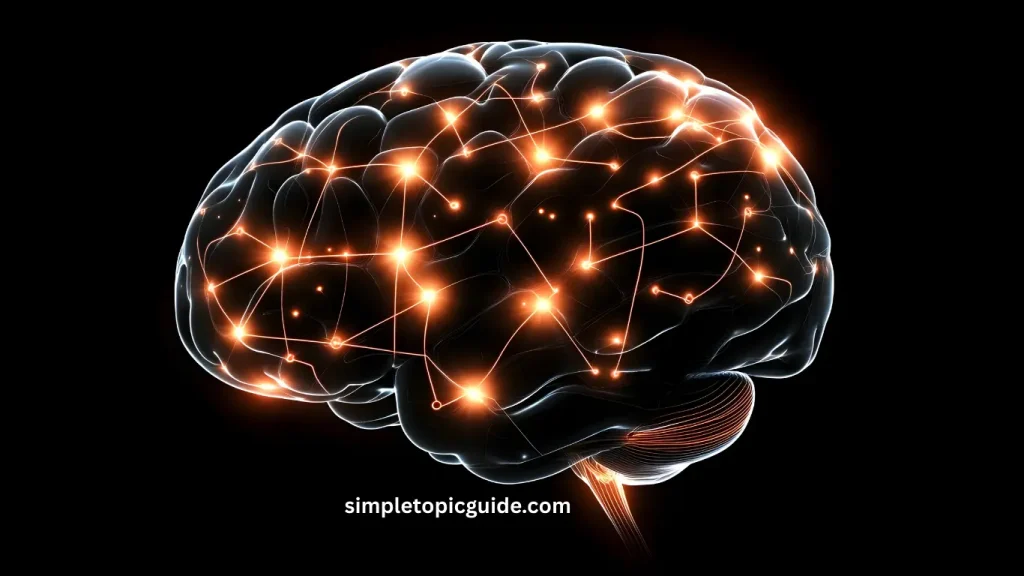
We often think of memory as a giant filing cabinet in the back of our minds or a video camera that records everything we see. When we need to remember where we left our keys or the name of a person we met last week, we “open the drawer” or “press play.” However, memory is far more dynamic and interesting than a simple storage box. It is a living process—a constant conversation between our senses, our brain, and our environment.
Memory is the foundation of who we are. It allows us to learn from our mistakes, cherish our favorite moments, and navigate the world around us. Without it, every morning would feel like waking up in a foreign land with no idea how we got there or who we are. Understanding how this process works can help us appreciate just how incredible our minds truly are.
What Memory Is?
In the simplest terms, memory is the brain’s ability to take in information, store it, and bring it back when it is needed. It is not a single “spot” in the brain, but rather a complex web of connections.
Think of memory like a series of forest trails. When you learn something new, it is like walking through the woods for the first time. You leave a faint trail of flattened grass. If you never walk that way again, the grass grows back, and the trail disappears. But if you walk that path over and over, it becomes a clear, well-defined dirt track. Eventually, it might even become a paved road. Memory works the same way: repetition and attention make the “paths” in our mind stronger and easier to follow.
How We Remember: The Three Stages
The act of remembering isn’t just one step. It is a journey that every piece of information must take. Most experts agree that there are three main stages to this journey: Input, Storage, and Retrieval.
1. Input (Paying Attention)
Everything you remember starts with your senses. You see a beautiful sunset, you hear a song, or you smell fresh bread. However, your brain doesn’t remember everything your senses pick up. It only remembers what you pay attention to. If you walk past a person on the street while looking at your phone, you probably won’t remember the color of their shirt. To the brain, if you didn’t pay attention, the information never “entered” the system.
2. Storage (Saving the Data)
Once you pay attention to something, your brain decides whether to keep it. This is where the “paving of the path” happens. The brain looks for ways to connect this new information to things you already know. For example, if you meet a new person named “Rose,” your brain might connect her name to the flower or to a friend you already have with that name. This makes the storage stronger.
3. Retrieval (Finding the Path)
Retrieval is what we usually call “remembering.” It is the process of finding the information when you need it. Sometimes retrieval is easy (like knowing your own phone number), and sometimes it is hard (like trying to remember the name of a movie you saw five years ago). Success depends on how well the information was stored in the first place.
Types of Memory Explained Simply
We don’t treat all information the same way. Our brains have different “buckets” for different types of memories, depending on how long we need to keep them and what they are used for.
The “Right Now” Memory (Immediate Memory)
This is like a mental scratchpad. It lasts for only a few seconds. For example, if someone tells you a room number, you hold it in your mind just long enough to walk down the hall and find the door. Once you enter the room, your brain usually “deletes” the number because you no longer need it.
The “Short-Term” Bucket (Working Memory)
This is where we hold information while we are using it. If you are solving a math problem or following a recipe, your brain keeps the steps in this bucket. It has a very limited capacity—usually, most people can only hold about five to seven items here at once. If you try to add more, something else usually “falls out.”
The “Forever” Library (Long-Term Memory)
This is the vast storage space where we keep our life stories, our skills, and our knowledge. This library has no known limit; you can keep adding to it your entire life. Long-term memory is further divided into:
- Facts and Events: Remembering that Paris is the capital of France or remembering your 10th birthday party.
- Skills and Habits: Remembering how to ride a bike, tie your shoes, or play an instrument. These are often called “muscle memories” because they become so automatic you don’t even have to think about them.
Everyday Examples of Memory at Work
To see how these different types work together, let’s look at some common daily activities.
Driving a Car
When you first learned to drive, it required all of your “short-term” memory. You had to focus on the pedals, the mirrors, and the steering wheel all at once. It was exhausting! Now, after years of practice, driving has moved into your “long-term” skill memory. You can drive to work while thinking about what to make for dinner because your brain is running the “driving program” automatically.
Reading a Book
As you read this sentence, your “immediate” memory is holding onto the beginning of the sentence so it makes sense when you get to the end. Meanwhile, your “long-term” memory is providing the definitions for all these words so you don’t have to look them up.
Meeting Someone New
When you are introduced to someone, your senses take in their face and voice (Input). If you are distracted, the name disappears instantly. But if you repeat the name back (“Nice to meet you, John”), you are helping your brain move that information from the “scratchpad” into the “bucket.”
Why Memory is Important for Daily Life
Memory is about much more than just passing tests in school. It is the engine that drives our daily existence.
- Learning and Growth: Every new skill you learn is built on the foundation of what you already know. You cannot learn to bake a cake if you don’t remember how to measure ingredients or turn on the oven.
- Safety: Memory keeps us safe. We remember that a stove is hot, that a specific street corner is busy, or that certain foods make us feel unwell.
- Relationships: Our connections with others are built on shared memories. Remembering a friend’s favorite food, their birthday, or a story they told you shows that you care. It is the “glue” that holds families and friendships together.
- Identity: Your sense of who you are comes from your history. Your values, your preferences, and your goals are all shaped by your past experiences stored in your memory.
Common Reasons Why We Forget
Forgetting is actually a very important function of the brain. If we remembered every single detail of every single second—like the color of every car that passed us on the highway—our minds would be too cluttered to function. However, we often forget things we want to remember. Here is why that happens:
1. Lack of Attention (The “Where are my keys?” problem)
Most of the time when we “forget” where we put our keys or glasses, we didn’t actually forget. The truth is, we never “remembered” it in the first place. We were thinking about something else when we dropped the keys on the table, so the brain never created a memory path.
2. Interference (The “New Phone Number” problem)
Sometimes new information gets in the way of old information. If you get a new locker combination at the gym, you might find yourself accidentally trying to use your old one. The two memories are “bumping” into each other.
3. Fading Over Time
If a memory path is never used, it naturally fades. This is why you might remember everything for a history test on Friday but forget half of it by the following month. If the information isn’t used or reviewed, the brain considers it unimportant and lets it go.
4. Stress and Tiredness
When the mind is under a lot of pressure or hasn’t had enough rest, it struggles to focus. Since attention is the first step of memory, being stressed or tired makes it very difficult for information to enter the “input” stage.
Simple Daily Habits to Support Your Memory
While we cannot have a “perfect” memory, we can adopt simple, healthy habits that make it easier for our brains to store and find information.
Be Present (The One-Task Rule)
Since attention is the gateway to memory, the best thing you can do is stop multitasking. If you want to remember what someone is saying, put down your phone and look at them. If you want to remember where you put your wallet, say it out loud: “I am putting my wallet on the kitchen counter.” Engaging more senses (sight, touch, and sound) makes the memory stronger.
Connect the Dots
When you learn something new, try to link it to something you already know. If you are reading about a historical event, think about how it relates to a movie you saw or a place you’ve visited. The more “hooks” a memory has, the easier it is to pull out of the library later.
Use Regular Reviews
Instead of trying to learn something all at once, look at it briefly several times over a few days. This is like walking the forest path multiple times. Each time you “retrieve” the information, the path gets deeper and more permanent.
Organize Your Environment
Give your brain a break by having a “home” for important items. If your keys, wallet, and phone always go in the same basket by the door, your brain doesn’t have to waste energy “remembering” where they are. This clears up mental space for more important things.
Rest and Movement
Though it sounds simple, giving your body what it needs is vital for the brain. A well-rested mind is much better at sorting through the day’s information and “filing” it away in long-term storage. Similarly, staying active helps keep the brain’s environment healthy and alert.
The Beauty of a Changing Memory
It is important to remember that memory is not meant to be perfect. Our memories change over time. When we look back at a childhood holiday, we might remember the sunshine and the laughter but forget the long car ride or the rain. This is part of being human. Our brains often filter our memories to help us find meaning in our lives.
We should treat our memory with patience. It is a tool that works best when we are curious, attentive, and kind to ourselves. Rather than being frustrated when we forget a name or a date, we can marvel at the millions of things our brains do remember every single day—from the words of our language to the faces of the people we love.
Conclusion
Memory is the silent narrator of our lives. It is the bridge between our past and our future. By understanding that memory is a process of paying attention, connecting ideas, and practicing retrieval, we can become more active participants in our own learning.
Whether you are a student trying to master a new subject, a professional handling a busy workload, or someone simply wishing to hold onto precious family moments, remember that your mind is built for growth. Every time you pay close attention to the world around you, you are paving a new path, making your mental library a little richer and your world a little brighter.
Written by: Muhammed Shafeeq
Role: Educator & Content Writer