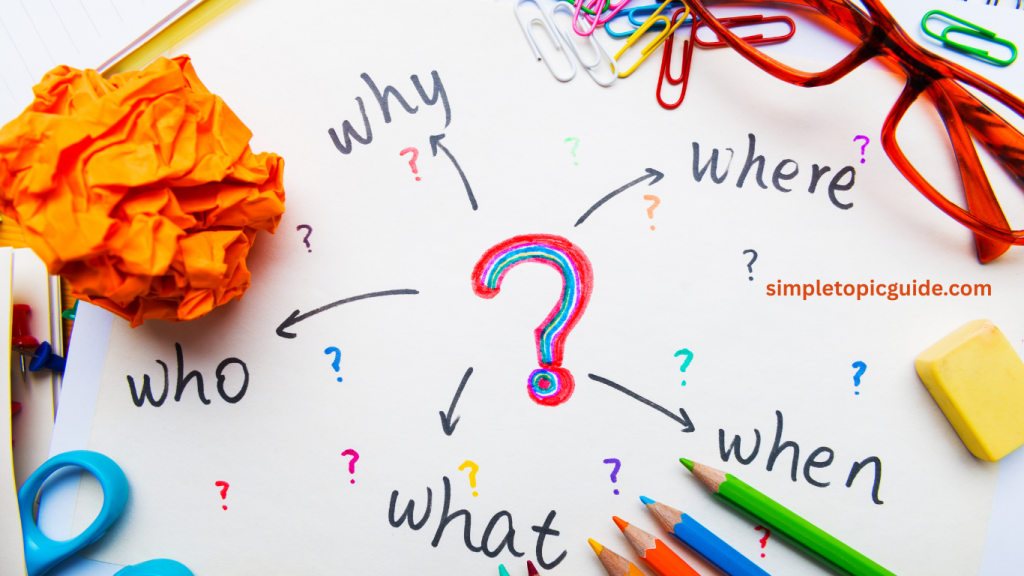
We make thousands of decisions every single day. Some are small, like choosing what to eat for breakfast, while others are significant, like deciding which career path to follow or how to vote in an election. In a world overflowing with information, how do we know what to believe? How do we separate fact from fiction?
The answer lies in critical thinking.
While the term might sound academic or complicated, critical thinking is actually a natural human ability that we can all develop. It isn’t about being “critical” in the sense of complaining or finding fault; rather, it is about being a careful, active thinker instead of a passive receiver of information.
What Critical Thinking Means
At its core, critical thinking is the practice of thinking about your thinking. It is the ability to analyze information objectively and make a reasoned judgment.
Most of the time, our brains operate on “autopilot.” We see a headline, we believe it. A friend tells us a story, and we accept it as truth. Critical thinking is the act of hitting the “pause” button on that autopilot. It involves asking questions like:
- Where did this information come from?
- Is there evidence to support this?
- Am I believing this just because I want it to be true?
- What is the other side of the story?
Imagine you are a judge in a courtroom. You cannot make a decision just because the first person who speaks sounds convincing. You must wait, listen to the evidence, question the witnesses, and look for inconsistencies. That “judge-like” mindset is what we call critical thinking.
Why Critical Thinking Is Important in Daily Life
In the modern age, we are bombarded with more information in a single day than people a hundred years ago encountered in a lifetime. This makes critical thinking more important than ever for several reasons:
1. Protection Against Deception
Not everyone has your best interests at heart. Advertisements, biased news reports, and even “get-rich-quick” schemes are designed to trigger your emotions so you stop thinking clearly. Critical thinking acts as a shield, helping you spot the flaws in an argument before you get tricked.
2. Better Decision-Making
When you think critically, you weigh the pros and cons of a situation. You look at long-term consequences rather than just short-term feelings. This leads to better choices regarding your health, your relationships, and your personal goals.
3. Independence
Without critical thinking, you are at the mercy of whoever speaks the loudest. Critical thinking gives you the power to form your own opinions based on logic and evidence. It allows you to be an individual rather than just following the crowd.
Simple Examples of Critical Thinking
To see critical thinking in action, let’s look at two everyday scenarios.
Scenario A: Shopping for a New Phone An advertisement claims a specific phone is “The Best in the World.”
- The Passive Thinker: Believes the ad and buys the phone immediately.
- The Critical Thinker: Asks, “What does ‘best’ mean? Is it the best battery, the best camera, or the best price? Who wrote this ad? Have I checked independent reviews from people who aren’t being paid to say nice things?”
Scenario B: A Viral Social Media Post You see a post saying a common fruit causes a terrible illness.
- The Passive Thinker: Gets scared and stops eating the fruit, then shares the post with twenty friends.
- The Critical Thinker: Notices the post doesn’t mention a specific doctor or study. They look up the information on a reputable health website or a library database and discover the claim was a prank.
Skills Involved in Critical Thinking
Critical thinking is not one single skill; it is a “toolbox” filled with different mental tools. Here are the most important ones:
- Observation: The ability to notice details and patterns that others might miss.
- Analysis: Breaking down a big idea into smaller pieces to see how it works.
- Inference: Drawing conclusions based on the information you have. If you see someone carrying a wet umbrella, you can “infer” it is raining outside.
- Communication: Being able to explain your reasoning to others clearly and listening to their perspectives in return.
- Problem-Solving: Using logic to find a way through a difficult situation.
Critical Thinking in Education and Work
In the Classroom
In the past, school was often about memorizing dates and names. Today, teachers focus on critical thinking. Instead of just asking “When did this war happen?”, a teacher might ask, “Why do you think these two countries went to war, and could they have avoided it?” This prepares students for the real world, where the “right” answer isn’t always in the back of a textbook.
In the Workplace
Employers value critical thinking above almost any other skill. In a job, things rarely go exactly according to plan. A critical thinker is someone who can:
- Identify a problem before it becomes a disaster.
- Suggest improvements to a company’s workflow.
- Handle a difficult customer by understanding the root of their frustration.
- Evaluate a project’s success based on data, not just “gut feeling.”
Common Mistakes People Make When Thinking
Our brains are designed to save energy, which often leads to “mental shortcuts.” These shortcuts can cause us to make mistakes in our judgment.
1. Confirmation Bias
This is the most common mistake. We tend to look for information that proves we are already right and ignore information that proves us wrong. If you believe that “all cats are mean,” you will notice every time a cat hisses, but you will completely ignore the hundreds of times a cat is friendly.
2. Emotional Thinking
When we are very angry, very happy, or very scared, our ability to think logically drops. People often make “impulse buys” or say things they regret because they let their emotions take the steering wheel.
3. The “Bandwagon” Effect
This is the belief that because “everyone else is doing it,” it must be the right thing to do. History is full of examples where the majority of people were wrong.
4. Over-Simplification
The world is complex. A common mistake is trying to make everything “black and white” or “good versus evil.” Critical thinkers recognize that most things exist in a “gray area.”
How to Improve Your Critical Thinking Skills
The good news is that you can get better at thinking, just like you can get better at a sport or a musical instrument. Here are some practical ways to sharpen your mind:
1. Ask “Open” Questions
Instead of asking “Yes or No” questions, ask questions that start with Who, What, Where, When, Why, and How. For example: “How does this person know this is true?” or “Why are they telling me this now?”
2. Consider the Source
Whenever you read something, ask:
- Is this person an expert?
- Do they gain anything (like money or power) by making me believe this?
- Is the information up to date?
3. Practice Active Listening
When someone is talking to you, don’t just wait for your turn to speak. Truly listen to their argument. Try to summarize what they said in your own head to see if their logic makes sense.
4. Seek Out Different Perspectives
If you only talk to people who agree with you, your “thinking muscles” will get weak. Read books or watch documentaries that challenge your views. Even if you don’t change your mind, you will understand the topic better.
5. Admit When You Are Wrong
A true critical thinker is more interested in the truth than in being right. If you find new evidence that proves your old opinion was wrong, be proud of yourself for changing your mind. That is a sign of a strong, healthy intellect.
Conclusion
Critical thinking is one of the most valuable gifts you can give yourself. It is the path to personal freedom, better relationships, and professional success. By learning to ask the right questions, recognizing your own biases, and looking at the world with a curious and objective eye, you transform from a passive observer into an active participant in your own life.
Remember, critical thinking doesn’t mean you have to be serious all the time or doubt everything you hear. It simply means being mindful. It means choosing to use the incredible power of your brain to see the world as it truly is, not just as it appears to be.
Written by: Muhammed Shafeeq
Role: Educator & Content Writer