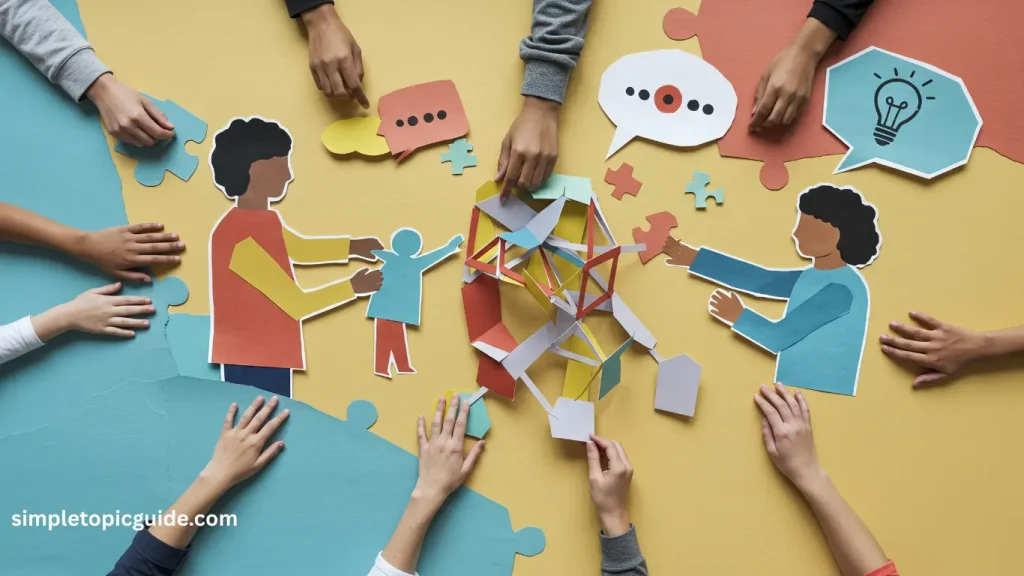
Problem solving is one of the most important skills in life. Every day, people face different kinds of problems at home, school, work, and society. The ability to identify a problem, think clearly, and find a solution is called problem solving.
Good problem-solving skills help people make better decisions, reduce stress, and handle challenges confidently. This skill is not only useful for students and professionals but for everyone in daily life.
What Is Problem Solving?
Problem solving is the process of understanding a problem, analyzing it, and finding an effective solution. It involves thinking logically, considering different options, and choosing the best possible action.
A problem can be:
- A difficult situation
- A question without an immediate answer
- An obstacle that stops progress
Problem solving helps turn challenges into opportunities for learning and improvement.
Why Is Problem Solving Important?
Problem solving is important because life does not always go as planned. Challenges are unavoidable, but how we respond to them makes a big difference.
Problem-solving skills help people:
- Make better decisions
- Handle pressure and stress
- Improve confidence
- Achieve personal and professional goals
- Adapt to change
In education and work environments, people with strong problem-solving skills are often more successful and respected.
Types of Problems We Face
Problems can appear in many forms. Understanding their types helps in choosing the right solution.
1. Everyday Problems
These include daily issues such as managing time, handling responsibilities, or making simple decisions.
2. Academic Problems
Students face problems like understanding lessons, preparing for exams, or completing assignments.
3. Workplace Problems
These include meeting deadlines, handling conflicts, or finding better ways to complete tasks.
4. Social Problems
These involve communication issues, misunderstandings, or group conflicts.
Each type of problem requires a thoughtful and calm approach.
Steps Involved in Problem Solving
Problem solving becomes easier when followed step by step.
Step 1: Identify the Problem
The first step is to clearly understand what the problem is. Sometimes people react emotionally without fully understanding the issue.
Ask questions like:
- What exactly is the problem?
- When did it start?
- Who is affected?
Step 2: Analyze the Problem
Once identified, analyze the cause of the problem. Understanding the root cause helps prevent repeating the same mistake.
Step 3: Think of Possible Solutions
Brainstorm different solutions without judging them immediately. More options give a better chance of finding the best solution.
Step 4: Choose the Best Solution
Evaluate each option and select the one that is most practical, safe, and effective.
Step 5: Take Action
Implement the chosen solution carefully.
Step 6: Review the Result
After applying the solution, check if the problem is solved. If not, try another approach.
Example of Problem Solving in Daily Life
Imagine a student who is unable to complete homework on time.
- Problem: Homework is always late
- Analysis: Poor time management and distractions
- Solutions: Create a study schedule, reduce mobile usage
- Action: Follow a daily study plan
- Result: Homework completed on time
This simple example shows how structured problem solving works.
Problem Solving Skills
Problem solving includes several important skills:
Critical Thinking
Thinking clearly and logically instead of reacting emotionally.
Decision Making
Choosing the best option among many choices.
Creativity
Finding new and different ways to solve a problem.
Communication
Explaining the problem and solution clearly to others.
Patience
Not giving up quickly when a solution does not work immediately.
These skills improve with practice and experience.
Common Mistakes in Problem Solving
Many people struggle with problem solving due to common mistakes:
- Avoiding the problem instead of facing it
- Acting without thinking
- Letting emotions control decisions
- Ignoring advice or feedback
- Giving up too early
Recognizing these mistakes helps improve problem-solving ability.
How to Improve Problem Solving Skills
Problem-solving skills can be developed with regular practice.
Some effective ways include:
- Practicing logical thinking
- Reading and learning from real-life examples
- Discussing problems with others
- Breaking big problems into smaller parts
- Staying calm during difficult situations
Over time, problem solving becomes a natural habit.
Problem Solving in Education
In education, problem solving helps students:
- Understand subjects better
- Perform well in exams
- Develop independent thinking
- Gain confidence
Teachers often encourage students to solve problems instead of memorizing answers because it builds deeper understanding.
Problem Solving in the Workplace
In professional life, problem solving is a highly valued skill. Employers look for people who can:
- Handle challenges independently
- Find efficient solutions
- Work well in teams
- Adapt to changes
Good problem solvers contribute positively to an organization’s growth.
Problem Solving and Emotional Control
Emotions can strongly affect problem solving. Anger, fear, or stress can lead to poor decisions.
Effective problem solvers:
- Stay calm
- Think before acting
- Control emotions
- Focus on solutions instead of blame
Emotional control improves judgment and outcomes.
Teaching Problem Solving to Children
Problem-solving skills should be taught from a young age. Children who learn problem solving early become more confident and independent.
Parents and teachers can help by:
- Encouraging questions
- Allowing children to think independently
- Guiding instead of giving answers
- Praising effort, not just results
This builds lifelong skills.
Problem Solving in Real Life
Problem solving is not limited to books or classrooms. It is used in:
- Managing finances
- Building relationships
- Handling conflicts
- Planning the future
Every decision involves problem solving, whether big or small.
Frequently Asked Questions
Is problem solving a natural skill?
Some people are naturally better at it, but everyone can improve problem-solving skills through practice.
Can problem solving reduce stress?
Yes. When problems are handled logically, stress and confusion reduce significantly.
Why do some people avoid problems?
Fear of failure or lack of confidence often causes avoidance.
Conclusion
Problem solving is a vital life skill that helps people face challenges with confidence and clarity. By understanding problems, thinking logically, and taking thoughtful action, anyone can improve their ability to solve problems effectively.
With practice, patience, and experience, problem solving becomes easier and more natural. Developing this skill leads to better decisions, personal growth, and long-term success.
Written by: Muhammed Shafeeq
Role: Educator & Content Writer